You can’t say bomb on an airplane
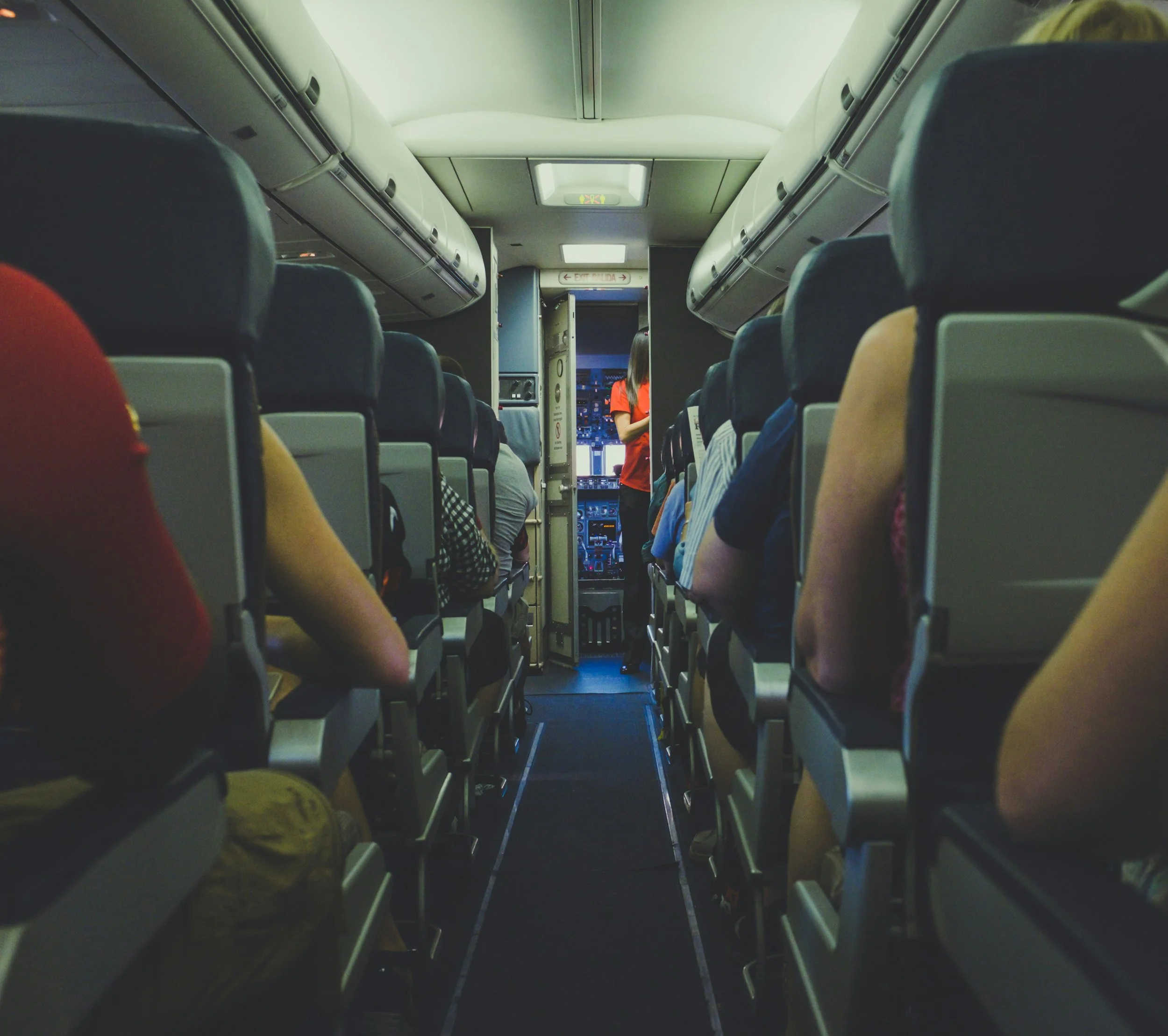
Somewhere over the Atlantic last Saturday night, a plane full of people learned that a teenager's taste in speaker names can cost you your whole evening.
United Flight 236 left Newark for Palma de Mallorca, Spain, around 6 pm on May 30. About two hours in, off the coast of Nova Scotia, passengers started noticing something on their phones. A nearby Bluetooth device, sitting in the list of things you could pair with, was named "BOMB."
Word got to the crew and the crew was not amused. Flight attendants told everyone to turn Bluetooth off, then said it again, then gave a one-minute warning: shut it down or we turn around. At least two Bluetooth signals were still broadcasting when the minute ran out. The pilots squawked 7700 (the transponder code for a general emergency), pointed the 767 back at New York, and landed to a welcome party of airport police and federal agents.
The culprit was a 16-year-old. He had named his portable Bluetooth speaker "BOMB," and on an airplane that name went out to every phone, laptop, and seatback screen in range. He admitted it was his and was taken in for questioning. The other 189 passengers got re-screened, waited out the night, and finally reached Spain about nine hours late. The story blew up on Reddit, where a passenger's account pulled a couple thousand upvotes within hours, and aviation forums started calling it the "Bluetooth flight."
Why a speaker name lands on everyone's phone
Most of your wireless gadgets announce themselves. When Bluetooth is discoverable, your device broadcasts its name to everything nearby that is looking to pair. Same with a Wi-Fi hotspot: the network name (the SSID) is just a bit of text the device sends out for anyone scanning to see. Your phone does it. Your speaker does it. Your printer, your smart TV, your car.
You usually never notice, because the names are boring. "Living Room Speaker." "Joel's iPhone." But the name is whatever someone typed in, and it shows up on strangers' screens in any crowded space. No "hacking" required. A kid typed four letters into a settings screen as a joke and caused a Boeing 767 to turn around.
It has happened before
Days earlier, a different United flight had its own scare over a passenger's Wi-Fi hotspot name, with the pilot threatening to call the FBI. Last year a flight out of Austin sat for four and a half hours after someone named their hotspot "I have a bomb." Police boarded, everyone got off, every bag got re-screened. Airlines and the FAA treat the word "bomb" anywhere in the cabin, including on a screen, as a threat until proven otherwise. They have to.
The useful bit
Likely you are not going to name your speaker "BOMB." But your devices are broadcasting names right now, and most people have never looked at what those names say. A default like "Joel's iPhone" hands the coffee shop your first name. A joke name you set five years ago is still going out to every stranger in range. Here are some tips to avoid being labeled a domestic terrorist.
Rename your iPhone. Settings, General, About, Name. This is also what your AirDrop and your personal hotspot show other people. Pick something you would not mind a stranger reading.
Rename your Android phone. Settings, About phone, Device name. On most phones this also updates your Bluetooth and hotspot names. (Samsung tucks it behind an Edit button on the same screen.)
Check your hotspot name. On iPhone it matches the device name above. On Android, Settings, Network and internet, Hotspot and tethering, Wi-Fi hotspot. Keep it dull.
Tighten up AirDrop and Bluetooth in public. On iPhone, set AirDrop to Contacts Only or off (Settings, General, AirDrop). Turn Bluetooth off when you are not using it. If a device is not broadcasting, nobody can see it.
Look at the speaker. Most Bluetooth speakers get renamed through their companion app, or they ship with a generic default. If yours shows a name you do not recognize, change it.
The stuff in your pocket has a public-facing label, and you are the one who decides what it says.
Joel
If you spot a gloriously bad device name out in the wild, send it my way: joel@freshfromcache.com
Source: The Verge's report on United Flight 236, with additional reporting from Simple Flying, View from the Wing, and AirLive.